

If you’ve just had a tooth removed, one of the first questions on your mind is probably: when can I brush my teeth again? It’s a fair concern good oral hygiene is essential for healing, but brushing too soon, or too close to the extraction site, can disturb the blood clot protecting the wound and lead to a painful complication called dry socket. The short answer is that most patients can begin gently brushing again 24 hours after extraction, avoiding the socket directly, and can return to a fully normal routine within about a week. Below, the team at Talpadent walks you through exactly what to do, day by day.
Why Timing Matters: The Blood Clot and Dry Socket
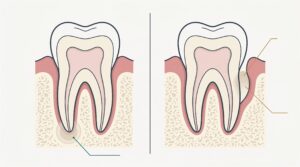
Right after your tooth is removed, your body immediately forms a blood clot inside the empty socket. This clot protects the bone and nerve endings underneath. If it gets dislodged too early from brushing, vigorous rinsing, spitting, smoking, or drinking through a straw you’re left with dry socket (alveolar osteitis): a painful condition that delays healing.
When Can I Brush My Teeth? A Day-by-Day Timeline
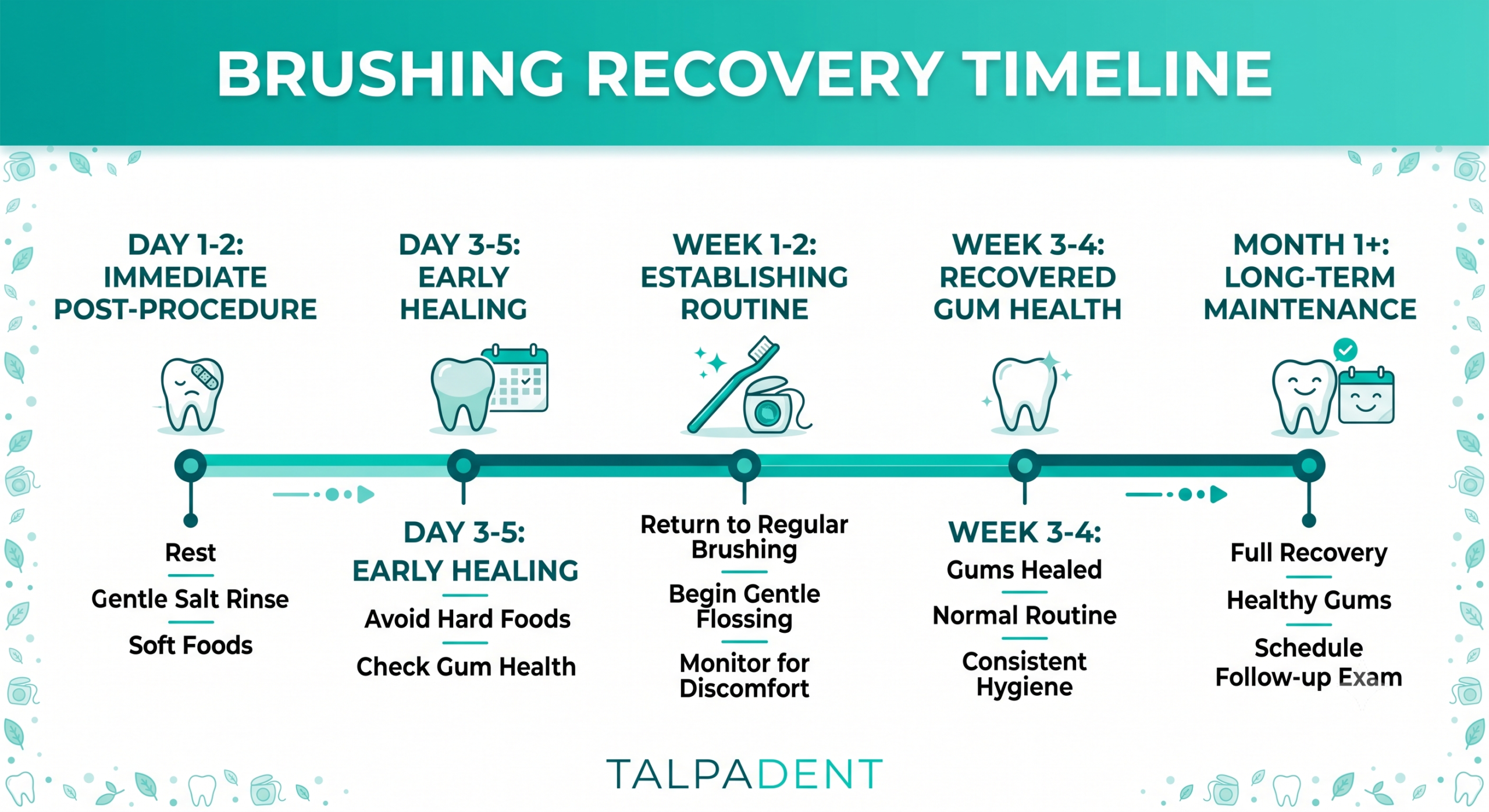
First 24 hours Avoid brushing or rinsing the extraction site entirely. Brush the rest of your mouth as normal, staying well away from the socket.
Day 2 to Day 3 Gently brush your other teeth with a soft-bristled toothbrush, keeping bristles and foam away from the socket. Warm saltwater rinses can begin now let the water fall out of your mouth rather than spitting forcefully.
Day 4 to Day 7 Start brushing a little closer to the extraction site, still with a light touch. Continue saltwater rinses after meals.
After one week Most patients can resume their full, normal brushing routine, as long as there’s no pain, swelling, or irritation. Surgical extractions may take a bit longer, so always follow your dentist’s specific instructions.
How to Brush Safely During Recovery
- Use a soft-bristled toothbrush a smaller head gives more control near the socket
- Brush in slow, gentle circular motions near the extraction site
- Skip the electric toothbrush for the first week; vibration can disturb a healing clot
- Don’t spit forcefully after brushing let water or toothpaste dribble out instead
- Rinse with plain water in the first 24 hours; introduce saltwater rinses from day two
What to Avoid While You Heal
- Drinking through a straw
- Smoking or vaping
- Vigorous rinsing, swishing, or spitting
- Alcohol-based mouthwash
- Chewing on the extraction side for the first few days
- Sticky, crunchy, or hard foods that can lodge in the socket
Other Ways to Keep Your Mouth Clean While You Heal
- Saltwater rinses (from 24 hours onward) gently reduce bacteria without disturbing the clot
- Stay hydrated with plain water to naturally rinse away food debris
- Soft foods like yogurt, mashed potatoes, or smoothies (no straw) reduce the need for vigorous chewing
- Rest your body heals faster without physical strain
Signs You Should Contact Your Dentist
Mild discomfort and slight swelling are normal for the first two to three days. Contact Talpadent if you notice:
- Throbbing pain that worsens after day 2 or 3, rather than improving
- A bad taste or persistent bad breath from the socket
- Visible bone in the socket, or an empty-looking socket
- Fever, pus, or increasing swelling
- Bleeding that hasn’t settled after the first 24 hours
Frequently Asked Questions
Can I use toothpaste right after my extraction?
Not for the first 24 hours. From day two, use a small amount of toothpaste on the rest of your mouth, away from the socket.
Is discomfort near the site normal for a while?
Some sensitivity for the first week is normal. If it’s sharp, worsening, or lasts beyond a week, contact our team.
How long until the socket is fully healed?
Surface healing (safe to brush normally) takes about a week; full bone healing underneath can take several weeks to a few months.
Can I use an electric toothbrush after extraction?
Wait at least a week and use manual brushing in the meantime.
What if I brushed too close to the site early on?
If it happened without pain or bleeding, it’s likely fine. If you notice bleeding or pain afterward, book an appointment.
Have questions about your recovery?
Our team at Talpadent with clinics in Steinfort and Limpertsberg is here to guide you through every step of aftercare.

Dr. Talpa is a licensed dentist with 12 years of clinical experience and owner of Advanced Smile Dental Care. Dedicated to making dental health information accessible, Dr. Talpa writes to help readers make informed decisions about their oral care. With a background in general and cosmetic dentistry, Dr. Talpa is passionate about translating complex dental topics into practical advice. When not treating patients, Dr. Talpa enjoys staying current with the latest advances in dental science and technology.