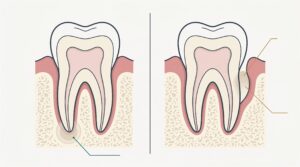


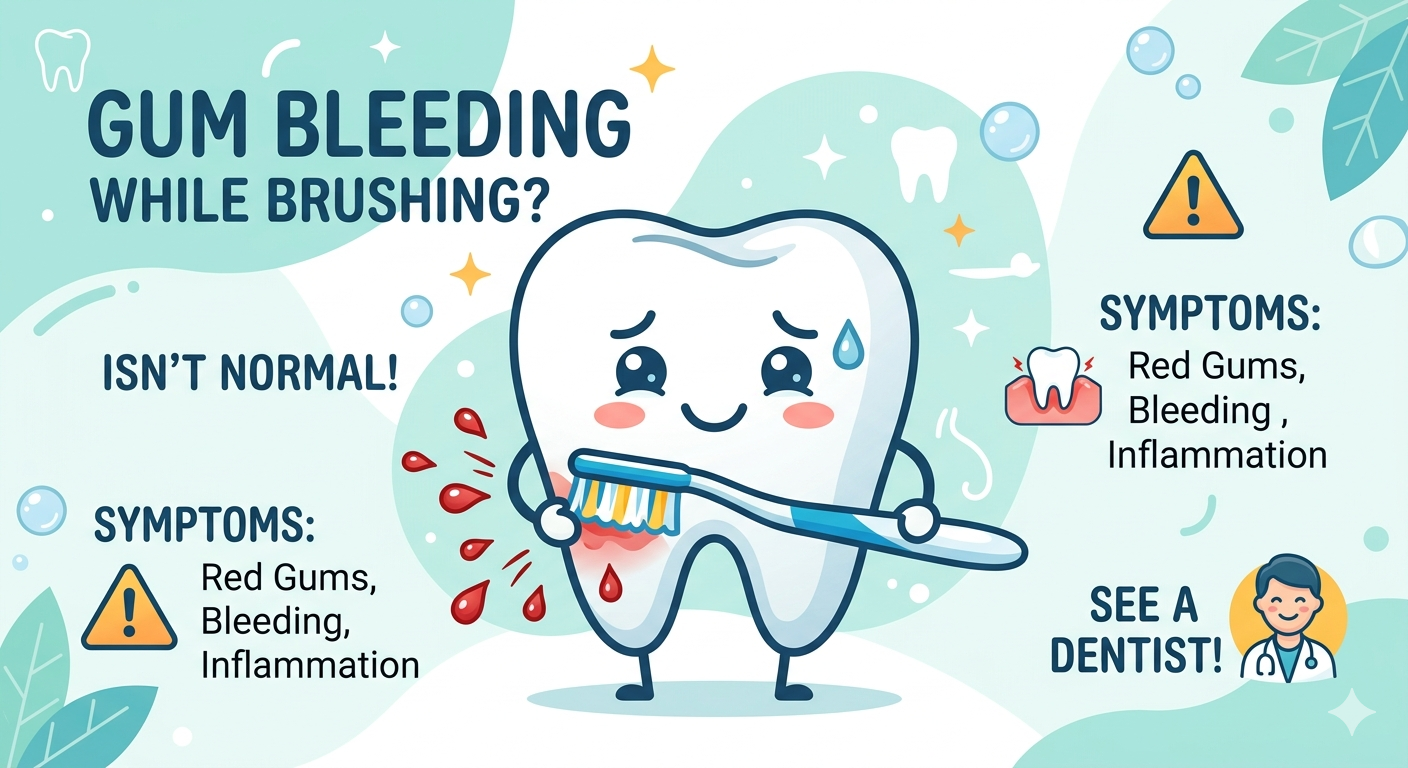
Gums bleed when you brush your teeth most commonly because of gingivitis, the earliest stage of gum disease, caused by plaque building up along the gum line and irritating the surrounding tissue. Other common causes include brushing too aggressively with a hard-bristled toothbrush, starting a new flossing routine, vitamin C or K deficiencies, certain medications such as blood thinners, hormonal changes during pregnancy or menopause, and smoking. While occasional minor bleeding is not always serious, gums that bleed regularly during brushing are sending a warning signal that should not be ignored.
Is it normal for gums to bleed when brushing?
The short answer is no. Healthy gums do not bleed. Regular bleeding during brushing or flossing is a sign that something is wrong and needs attention. While occasional bleeding from biting into something hard is usually harmless, gums that bleed regularly during brushing or flossing are telling you something is wrong. The good news is that, when caught early, the underlying causes are very treatable.
The most common causes of bleeding gums when brushing
Cause 01
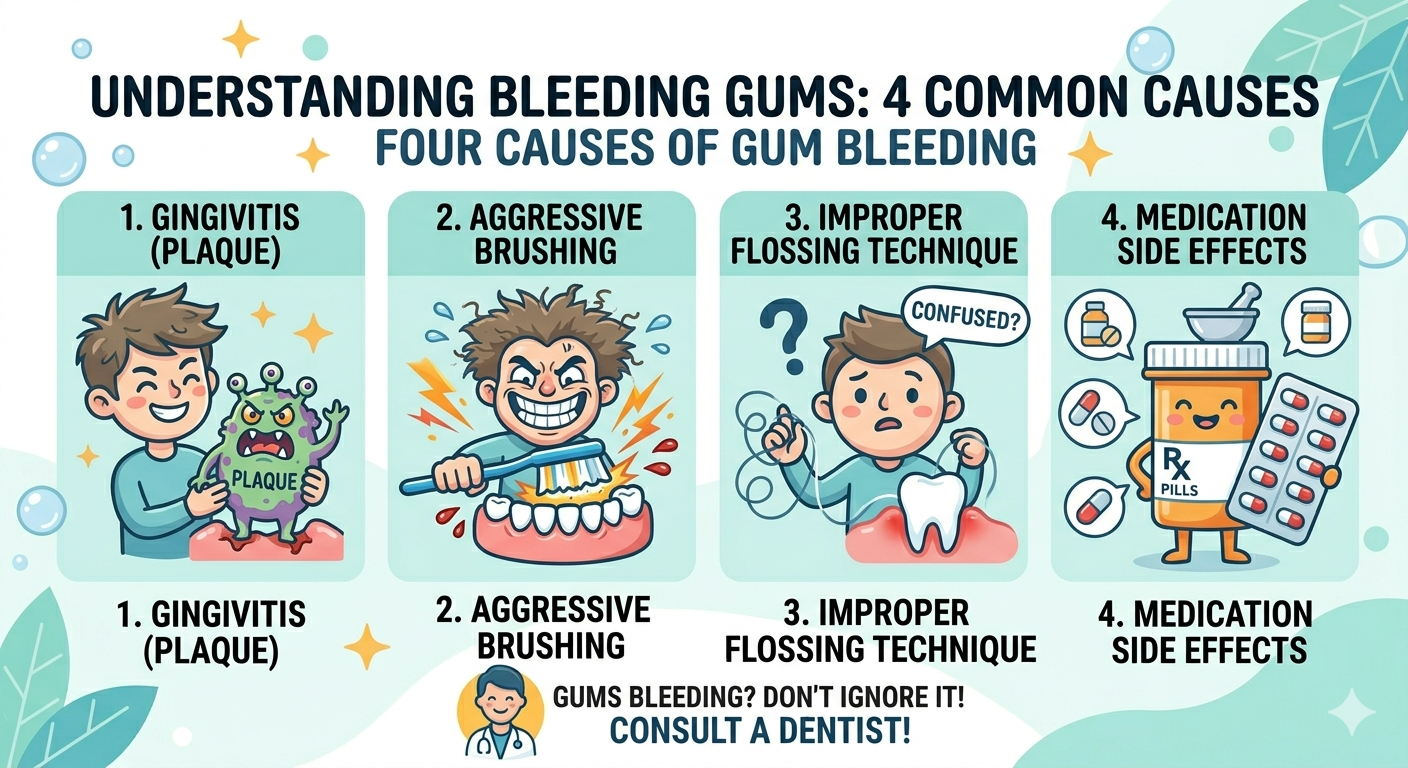
Gingivitis, the leading reason your gums bleed
Gingivitis is the earliest stage of gum disease and the number one cause of bleeding gums. It develops when plaque, a sticky film of bacteria, builds up along the gum line and is not fully removed by brushing. The bacteria irritate the surrounding tissue, causing inflammation, redness, and bleeding. The encouraging news is that gingivitis is completely reversible when caught early. With professional cleaning and improved home care, most patients see significant improvement within a few weeks. If you notice these signs, our periodontology service at Talpadent can diagnose and treat gum disease at the earliest stage.
Cause 02
Brushing too hard or using the wrong toothbrush
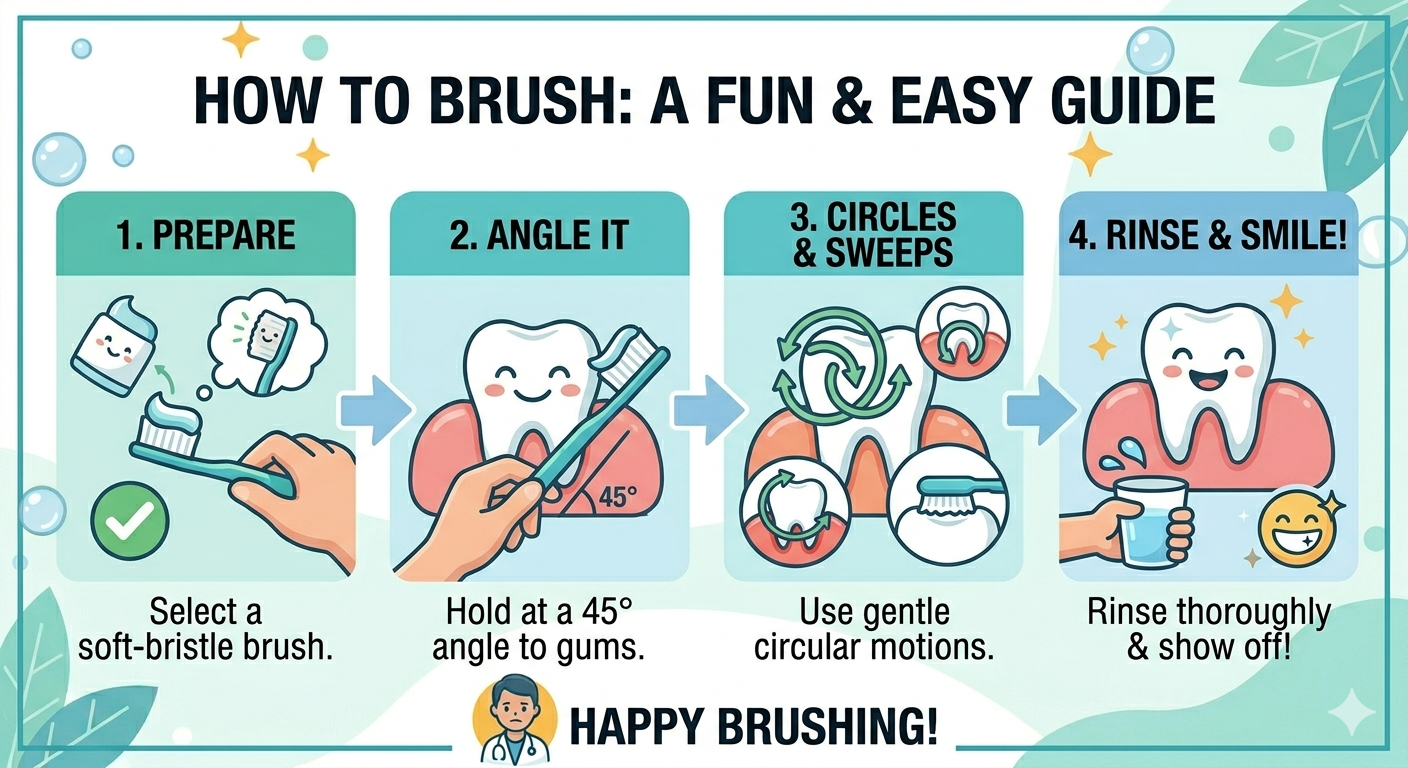
More pressure does not mean cleaner teeth. Aggressive brushing with a firm-bristled toothbrush can damage delicate gum tissue and cause bleeding even when your gums are otherwise healthy. The correct technique involves holding the brush at a 45-degree angle to the gum line and using gentle circular motions, not a scrubbing motion. Learn the correct brushing technique to protect your gum tissue.
Cause 03
Infrequent or new flossing routine
If you have just started flossing after a long gap, your gums may bleed for a few days as they adjust. This is temporary. However, if the bleeding continues beyond one week, it is a sign that plaque has already caused some inflammation and a dental check at Talpadent is needed.
Cause 04
Medications, smoking, and systemic health conditions
Medications: Blood thinners, certain anticonvulsants, and some chemotherapy drugs reduce the blood’s ability to clot, making gums bleed more easily during brushing. Always tell your dentist about any medications you are taking.
Smoking and tobacco use: Smoking restricts blood flow to gum tissue and weakens the immune system, making it harder for your body to fight infection and for gums to recover. Smokers are significantly more at risk of developing periodontitis, and because bleeding may be reduced by restricted blood flow, the disease can progress silently.
Diabetes: Poorly controlled blood sugar increases susceptibility to gum infections. Research confirms a two-way relationship between diabetes and gum disease, each condition can worsen the other.
Hormonal changes: Pregnancy increases blood flow to the gums, making them more sensitive and prone to gingivitis. Menopause causes similar hormonal shifts that can increase gum sensitivity and bleeding.
Vitamin deficiencies: Vitamin C is essential for collagen production in gum tissue, and vitamin K is required for blood clotting. A deficiency in either can cause gums to bleed more easily.
What happens if you ignore bleeding gums?
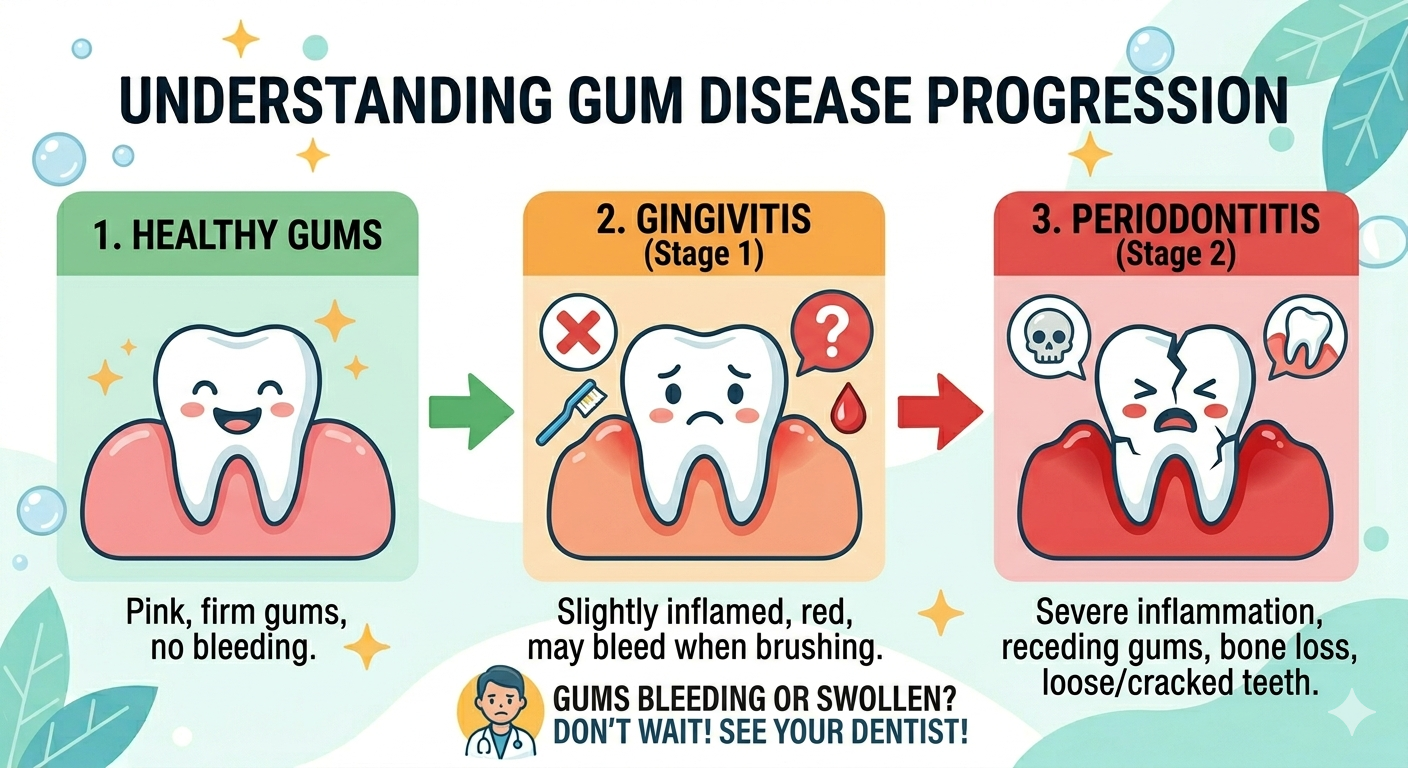
Bleeding gums that are left untreated do not resolve on their own, the condition typically worsens. The most important thing to understand is the progression from gingivitis to periodontitis. Gingivitis is the earliest stage of gum disease and is completely reversible at this point. Only the gum tissue is affected, the bone and connective tissue holding your teeth in place remain intact. With professional cleaning and improved home care, gingivitis can be eliminated.
Periodontitis develops when gingivitis goes untreated. The bacterial infection spreads deeper beneath the gum line and begins attacking the bone and tissue that support your teeth. Unlike gingivitis, periodontitis causes damage that is not fully reversible, it can only be managed. Left untreated further, it leads to teeth becoming loose and eventually falling out or requiring extraction. This is why treating bleeding gums early is always better than waiting. At Talpadent, we can identify gum disease at its earliest stage and stop the progression before it becomes a permanent problem.
When should you be concerned about bleeding gums?
Not all bleeding gums require emergency treatment, but certain combinations of symptoms mean you should see a dentist without delay. If your gums bleed consistently for more than two weeks despite improving your brushing routine, that is a clear signal that professional diagnosis is needed.
Warning: Watch for these signs
Persistent bleeding that does not improve after two weeks combined with bad breath, swollen or receding gums, tooth sensitivity, or teeth that feel loose may indicate advanced gum disease. Schedule an appointment as soon as possible.
This is precisely why early diagnosis matters. At Talpadent, our approach to periodontology focuses on identifying and treating gum problems at the earliest possible stage, before they cause permanent damage to the supporting structures of your teeth. Do not wait for symptoms to worsen.
How to stop your gums from bleeding when you brush your teeth
If your gums bleed when brushing, the single most important step is booking a professional dental assessment to identify the underlying cause. While you wait for your appointment, or if your bleeding is mild and recent, these evidence-based steps can help reduce inflammation and support recovery.
What you can do at home
While professional treatment is essential for diagnosing the underlying cause, these daily habits support gum recovery and prevention:
| Brush twice daily with a soft-bristled toothbrush for at least two minutes | Floss gently once a day using a C-shape around each tooth |
| Use an antibacterial mouthwash recommended by your dentist | Replace your toothbrush every three months |
| Maintain a balanced diet rich in vitamin C and avoid smoking | Visit your dentist at least once a year, twice if advised |
Good to know
If you have recently changed your oral hygiene routine, some initial bleeding is expected. Give it up to one week. If bleeding persists or worsens, it is time to see a dentist at Talpadent.
Quit smoking to protect your gums
Tobacco use significantly increases the risk of gum disease and slows healing. Stopping smoking gives your gum tissue the best chance of recovery and reduces the risk of periodontitis developing further. NHS stop smoking support is available free of charge.
Stay hydrated
Drinking water throughout the day helps rinse away food particles and bacteria, reducing the plaque build-up that causes gum inflammation. Aim for at least 1.5 to 2 litres of water daily.
How a dentist treats bleeding gums
When should you see a dentist? If your gums bleed for longer than two weeks without an obvious cause such as starting a new flossing routine or recent dental work, book an appointment at Talpadent. The sooner gum disease is diagnosed, the easier it is to treat and the more damage can be avoided.
For gingivitis, a professional dental cleaning to remove plaque and tartar is usually the primary treatment, combined with improved brushing and flossing at home. Most patients see significant improvement within a few weeks of their first professional cleaning.
For more advanced gum disease, scaling and root planing may be recommended, a deep cleaning procedure that removes bacterial deposits from below the gum line and smooths the root surfaces. In severe cases, surgical or laser treatment may be necessary to remove infected tissue and restore gum health.
At Talpadent, our approach to periodontology focuses on identifying and treating gum problems at the earliest possible stage. We use advanced 2D and 3D dental imaging to assess the visible and hidden extent of any damage, giving us a complete picture before designing your treatment plan.
What to do next if your gums bleed when you brush
Bleeding gums are a signal, not a sentence. Caught early, almost every cause is treatable and most are fully reversible. Here is what to do:
- Switch to a soft-bristled toothbrush and brush gently at a 45-degree angle, today, not tomorrow.
- Start flossing daily if you are not already. Some bleeding in the first week is normal and will settle.
- Wait one week. If bleeding stops, your technique was the issue. If it continues, it is time to see a dentist.
- Book a gum health assessment if bleeding persists beyond two weeks or if you notice any of the warning signs listed above.
- Contact Talpadent. Our periodontology team will assess your gum health, identify the cause, and design a treatment plan to stop the bleeding and protect your teeth long term.
Fasting Blood Test Tips for Special Circumstances
Most fasting guidance applies to healthy adults with no additional medical conditions. If any of the following applies to you, read this before your appointment and always confirm with your doctor.
If You Are Diabetic
Fasting affects blood sugar levels differently for people with diabetes. If you are on insulin or diabetes medication, fasting without adjusting your dose can cause hypoglycaemia (low blood sugar). Always speak to your GP or diabetes nurse before any fasting blood test. They will advise whether to adjust your medication timing or whether a non-fasting test is more appropriate.
If You Take Regular Medication
Most medications can be taken with a small sip of water during a fasting period and this does not break your fast for blood test purposes. However, certain medications including metformin, statins, and thyroid medications may need specific timing relative to your test. Check with your prescribing doctor or pharmacist before your appointment.
If You Are Elderly or Have Low Blood Pressure
Extended fasting can cause dizziness and lightheadedness in older adults or those with naturally low blood pressure. If this is a concern, book the earliest morning slot to minimise fasting time, and ask a family member or friend to accompany you. Our clinics are accessible and our staff are experienced in supporting patients who may feel unsteady.
If You Are Pregnant
Fasting during pregnancy requires specific guidance from your midwife or obstetrician. If you have been referred for a glucose tolerance test (GTT) during pregnancy, this is a longer fasting test typically lasting 2 hours and your maternity team will prepare you for this separately.
Frequently asked questions:
If your gums bleed for longer than two weeks without an obvious cause such as starting a new flossing routine or recent dental work consult a dentist. At that point, the bleeding is most likely a
sign of gingivitis or another underlying condition that requires professional treatment. The longer gum disease is left untreated, the harder it becomes to reverse, so early action is
Yes. Both vitamin C and vitamin K deficiencies are directly linked to fragile, bleeding gums. Vitamin C is essential for the production of collagen that keeps gum tissue strong, while vitamin K plays a key role in blood clotting. If you suspect a deficiency, speak to your doctor about a blood test alongside your dental check so both causes can be investigated together.
Yes hormonal changes during pregnancy increase blood flow to the gum tissue, making it more sensitive and prone to inflammation. This is referred to as pregnancy gingivitis, and it affects a significant number of pregnant women. Regular dental check-ups during pregnancy are especially important, as untreated gum disease has been associated with complications
Minor bleeding during or immediately after a professional cleaning is normal, particularly if tartar has built up over a long period or if your gums are already inflamed before the appointment. This should resolve within one to two days. If bleeding continues beyond that or you experience significant discomfort, contact your dentist for a follow-up check
The most effective steps are: switch to a soft-bristled toothbrush, reduce brushing pressure, angle the brush at 45 degrees to the gum line, and begin flossing daily if you do not already. These changes reduce plaque and gum inflammation, and most people see improvement within one to two weeks. If bleeding persists beyond two weeks despite improved hygiene, visit a dentist there may be an underlying cause such as gingivitis that requires professional treatment
You should not panic, but you should pay attention. Gums that bleed occasionally after brushing too hard or when starting a new flossing routine are usually not a cause for serious concern. However, gums that bleed regularly during brushing without an obvious explanation are most commonly a sign of early gum
disease (gingivitis), which is fully reversible when caught early. If the bleeding persists for more than two weeks, schedule a dental appointment addressing it early is alwa

Dr. Talpa is a licensed dentist with 12 years of clinical experience and owner of Advanced Smile Dental Care. Dedicated to making dental health information accessible, Dr. Talpa writes to help readers make informed decisions about their oral care. With a background in general and cosmetic dentistry, Dr. Talpa is passionate about translating complex dental topics into practical advice. When not treating patients, Dr. Talpa enjoys staying current with the latest advances in dental science and technology.